Environment
Environmental Factors That Influence Men's Wellbeing
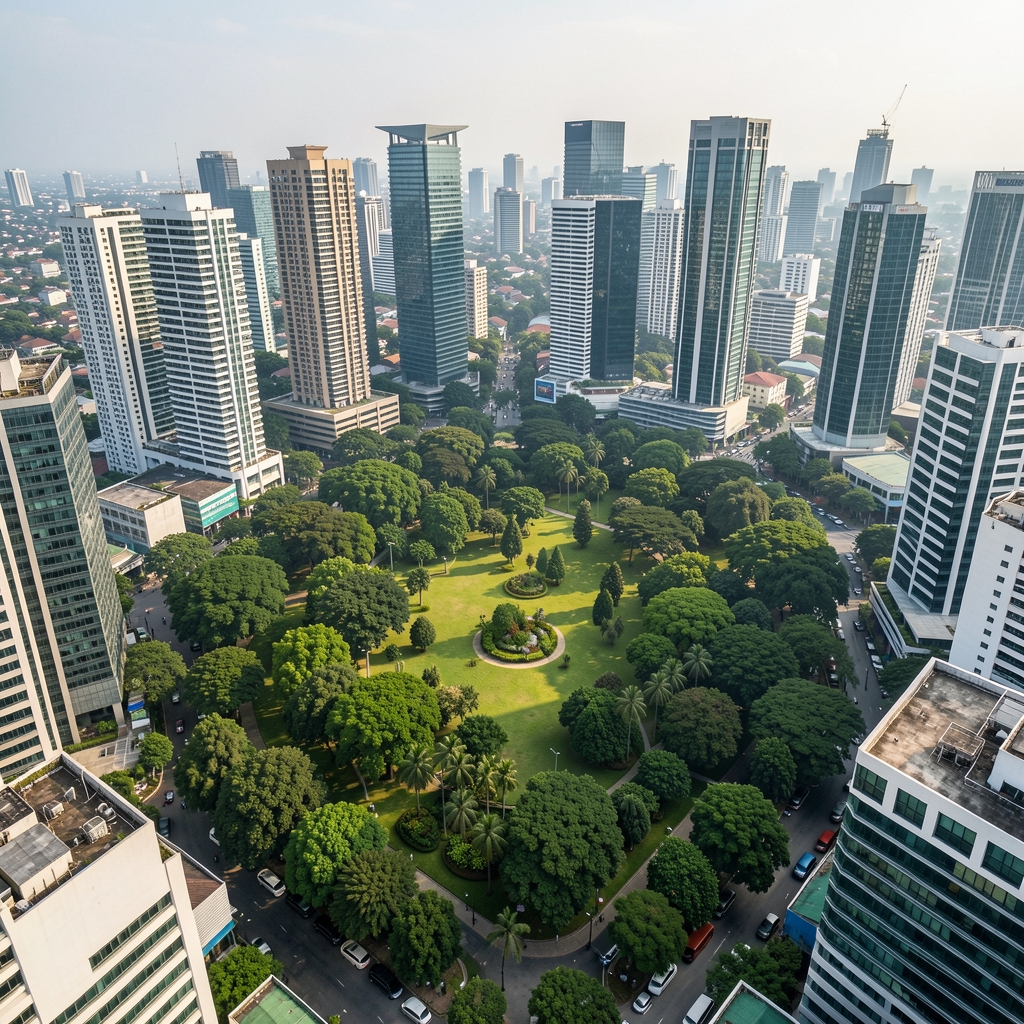
The environment in which a person lives — its physical composition, social structures, and ecological character — acts as a persistent background condition that shapes physiological and psychological processes in ways that are often underappreciated. For men's wellbeing specifically, the interaction between individual biology and environmental context has been an area of growing analytical attention.
Natural Environments and Physiological Response
The relationship between exposure to natural environments and physiological indicators has been documented across a range of research contexts. Natural light, in particular, plays a regulatory role in circadian function — the approximately 24-hour cycle that governs sleep-wake patterns, hormonal rhythms, and metabolic processes. The intensity, timing, and spectral quality of light exposure affect the suppression and release of melatonin, which in turn coordinates a range of downstream physiological processes.
In pre-industrial contexts, daily life typically involved substantial exposure to natural light, including morning light with its blue-rich spectrum and the warmer light of afternoon and evening. Contemporary urban environments, by contrast, often involve extended indoor exposure, artificial lighting with different spectral characteristics, and screen-based light sources in the hours before sleep. The cumulative effects of this shift in light environment represent one of the more significant environmental changes of the past two centuries in terms of their potential bearing on circadian-dependent physiology.
Green spaces — parks, forests, and natural areas within or adjacent to urban environments — have been discussed in environmental health literature as contexts that tend to reduce physiological indicators of stress and to support restorative psychological states. The mechanisms proposed range from reduced sensory load, to social facilitation, to the presence of natural sounds and air quality variations. For urban populations, access to and use of green spaces represents a potentially significant environmental variable.
Urban Environment and Built Space
The structure of the built environment influences wellbeing through several channels. Urban density, noise levels, air quality, walkability, and the spatial design of public and private areas all create conditions that interact with daily life in ways that can either support or place strain on physiological systems.
Air Quality
Air quality is one of the most extensively studied environmental variables in the context of human physiology. Particulate matter, nitrogen dioxide, ozone, and a range of other pollutants are present at varying concentrations in urban environments. Indonesia's major urban centres, including Jakarta, face specific air quality challenges related to vehicular emissions, industrial activity, and seasonal factors including agricultural burning. The general literature on air quality and health documents associations between elevated pollution exposure and a range of physiological changes, including markers of cardiovascular and respiratory function, as well as aspects of cognitive performance.
Urban Noise
Chronic noise exposure — from traffic, construction, and urban activity — acts as a persistent low-level stressor that can affect sleep architecture, autonomic nervous system function, and psychological state over time. Noise levels in urban environments often exceed those associated with optimal sleep in the relevant literature, particularly in high-density residential areas. The concept of "noise pollution" represents a recognition that sound, like air and water quality, functions as an environmental variable with measurable physiological relevance.
Spatial Design and Physical Activity
The walkability of an environment — whether streets are designed for pedestrian use, whether distances to destinations are manageable on foot, and whether safe and appealing paths exist for active movement — directly influences the ease and frequency of physical activity as part of daily life. Cities that prioritise pedestrian infrastructure tend to support higher incidental physical activity, while car-dependent environments often make walking and cycling impractical as regular transportation modes.
Climate and Seasonal Context
Indonesia's equatorial climate presents a specific environmental context: relatively stable temperature across the year, high humidity, intense solar radiation, and a seasonal pattern determined more by rainfall than temperature. These conditions shape the practical environment for physical activity, outdoor exposure, and thermal regulation in ways that differ substantially from temperate-zone contexts.
High ambient heat and humidity affect the physiology of exercise and outdoor activity, influencing hydration needs, thermoregulatory responses, and the practical windows during which outdoor movement is comfortable. The relative absence of strong seasonal variation in daylight hours — compared to higher latitudes — means that circadian disruption from seasonal light changes is less prominent, though urban indoor environments still create significant departures from natural light patterns.
Social Environment as Context
The social environment — the quality and structure of relationships, the presence or absence of community connection, and the degree of social support in everyday life — functions as an environmental variable with physiological dimensions. Social isolation has been associated in multiple research traditions with changes in stress hormone profiles, sleep architecture, and immune function. Conversely, the presence of stable, meaningful social relationships has been described as a buffer against the physiological effects of other environmental stressors.
In many Indonesian communities, traditional social structures — including extended family networks and community-based organisation — provide forms of social embedding that research suggests are associated with better physiological outcomes than social isolation. The degree to which urbanisation and modernisation affect these structures is therefore a relevant consideration in environmental analyses of wellbeing.
Environmental Factors: A Summary Framework
| Environmental Factor | Physiological Dimension | Urban Relevance |
|---|---|---|
| Natural light | Circadian regulation, melatonin timing | Reduced in indoor-heavy urban life |
| Air quality | Respiratory, cardiovascular, cognitive | Variable; elevated concern in dense areas |
| Noise levels | Sleep architecture, autonomic stress response | Often elevated in high-density urban areas |
| Green space access | Stress markers, restoration, activity facilitation | Unequally distributed across urban areas |
| Walkability | Incidental physical activity levels | Varies significantly by neighbourhood design |
| Social environment | Stress buffering, sleep, immune function | Affected by urbanisation and mobility patterns |
Environmental context does not determine wellbeing outcomes in any simple or direct way. Its role is to establish conditions that make certain physiological states more or less likely, more or less sustainable, and more or less demanding to maintain through individual effort. Understanding these conditions is relevant background for any serious engagement with the topic of men's general wellbeing.
View All Articles